
Cedar Tone · Updated September 21, 2026 · Interior painting
Before You List, What Do Buyers Want to See?
The short answer: Buyers want a house that looks cared for, and paint is the fastest way to show that. Fresh neutral walls, clean white trim and doors, and a front door and garage door that are not chalking do most of the work. Start with the main floor and the street side of the house, and skip the bold colors.
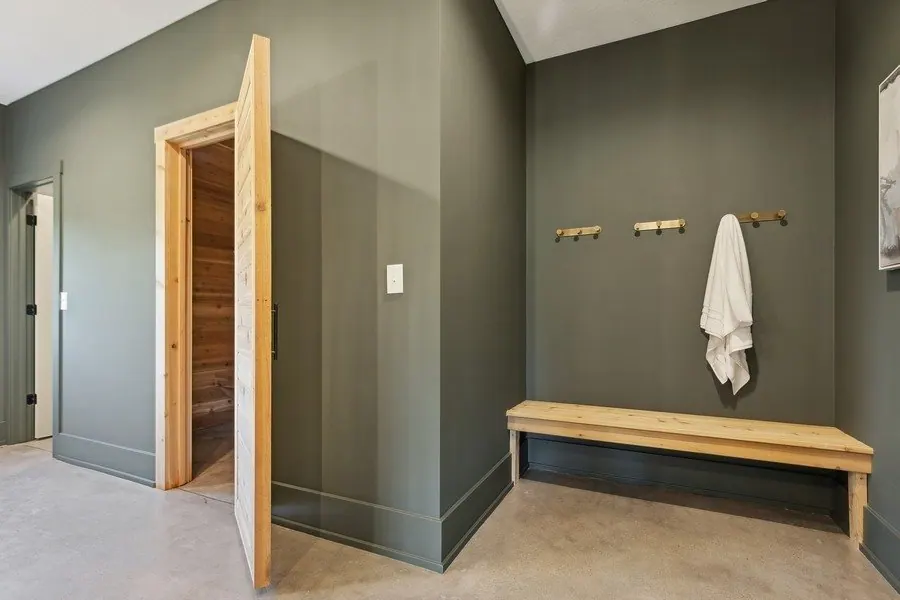
The short answer: Buyers want a house that looks cared for, and paint is the fastest way to show that. Fresh neutral walls, clean white trim and doors, and a front door and garage door that are not chalking do most of the work. Start with the main floor and the street side of the house, and skip the bold colors.
Here is how we’d spend a pre-sale painting budget on a northwest metro house, in the order we’d spend it.
What a buyer notices in the first five minutes
Buyers see the listing photos first and the driveway second. In the photos, they notice whether the walls look bright and whether the rooms match each other. In the driveway, they notice the siding on the sunny side, the fascia along the roofline, and the front door.
Paint condition reads as a proxy for everything else. A buyer who sees peeling fascia assumes the roof, the furnace and the water heater were treated the same way, fairly or not. A house with clean trim and fresh walls gets the benefit of the doubt on the things they cannot see.
Inspectors read paint the same way, with one difference: they write it down. Peeling paint on exterior trim is a line in the report, and a line in the report turns into a conversation about price. On a pre-sale walkthrough we look where an inspector looks first: the window trim on the south and west sides, the fascia along the gutters, the garage door and the front entry. Then we walk the rooms that will be in the photos and look at the walls, ceilings and trim with a light held flat against them.
Exterior painting before a listing
A lot of the housing stock in Plymouth, Maple Grove and the rest of the northwest ring dates from the 1980s and 1990s. That means hardboard lap siding, cedar on the higher-end lots, and plenty of wood trim, all of it at or past the age where the paint on the south and west sides starts to let go first.
The exterior work that pays before a listing is usually smaller than a full repaint:
- Trim, fascia and soffit. These are what a buyer sees against the sky. Scrape, prime and brush them and the whole house looks maintained.
- The front door and garage door. Both face the street, both take direct sun, and both chalk. A repainted steel garage door and a deep-color front door are the two cheapest square feet on the house to paint for the effect they have.
- Caulk lines. Cracked caulk around windows and at the corner boards reads as neglect from the sidewalk. We cut it out, run a new bead, and paint over it so the trim reads as one clean line. Any soft trim we find along the way gets replaced before primer.
- Siding, if it needs it. Chalking siding that leaves a mark on your hand needs a wash and a full recoat to look right. Faded but sound siding can often wait for the next owner.
Keep the exterior color where it is, or close to it. A same-color repaint covers in two coats without a primer step, and a buyer is not going to pay more for a color change they did not pick.
The exterior painting page covers the full process. The thing to know for a listing is timing: exterior paint in Minnesota needs the siding above about 50 F and dry nights, so the season runs roughly May to mid-October. A house going on the market in April needs its exterior work booked the previous fall or done in the first warm weeks of spring.
Interior painting: start with the main floor
Living room, kitchen, dining and the entry are where buyers picture themselves. They are also where the paint has taken the most wear.
We recommend one light, warm neutral through the whole main floor. A warm white or a soft greige works in most northwest metro houses because the light here is cool for half the year, and cool grays go flat and blue in a north-facing room in January. One color from room to room makes the spaces read larger and keeps the photos consistent.
Before any color goes on, the walls get patched. Nail holes from twenty years of pictures, dings behind doors and the corner where the vacuum hits all get filled, sanded and spot-primed. Skipping the spot primer is how a freshly painted wall ends up with dull patches that show in every photo taken with the lights on.
Sheen matters as much as color in listing photos. Flat on the ceilings and a low sheen like eggshell on the walls hides patches and old roller texture. A satin or semi-gloss wall shows every one of them under a photographer’s lights.
Ceilings get skipped and they are often what makes a room look dirty. A flat white ceiling coat next to fresh walls is the difference between a room that looks painted and a room that looks new.
If a room has an accent wall in a color you love, this is the time to let it go. The next owner will not love it, and a dark wall makes a room photograph smaller.
Painting trim, doors and baseboards
Scuffed baseboards, yellowed door casings and doors with a decade of handprints around the knob are what make a clean house feel tired. They are also the cheapest thing on this list to fix.
We brush trim with a waterborne enamel that dries hard and stays white. Before the enamel goes on, the gaps where the casing meets the wall get a bead of paintable caulk, so the line between the white trim and the wall color is sharp instead of shadowed. Doors come off the hinges and get sprayed when the schedule allows, because a sprayed door has no brush marks and a brushed door always does. A house with fresh white trim and doors against neutral walls is the look buyers expect from a new build, and it holds up in photos taken with a wide lens.
Updating kitchens and baths with paint
You do not need a new kitchen to sell a house, but a kitchen with dated oak or a dark stain from the 1990s costs you in the photos.
A cabinet painting job runs a fraction of a remodel. We pull the doors and drawer fronts, label them, and spray them off site in a booth. The boxes get masked and sprayed in place. Warm white or a soft off-white is the safe call for resale; a deep green or navy on a lower run or an island is fine if the rest of the kitchen is neutral.
In bathrooms, the ceiling above the shower is where mildew shows. Wash it, prime it with a stain-blocking primer if there are spots, and use a bathroom-rated paint.
Water stains are the one thing not to paint over. A brown ring on a ceiling under a bathroom or a roof valley will bleed through ordinary paint within weeks, and an inspector who sees a fresh patch of ceiling paint will ask what is under it. Find the leak, fix it, let the drywall dry, then prime with a stain blocker and paint the whole ceiling. We do water-damage ceiling repair and texture as part of the job.
What not to paint before you list
Not every surface benefits from paint before a sale.
- Wallpaper. Painting over it looks like painting over wallpaper. Remove it, skim the wall, prime and paint.
- Brick. Painting a brick fireplace or a brick front is permanent. Leave that decision to the next owner.
- Stained cedar siding. Recoat with stain. Painting stained cedar turns it into a painted house forever, which is a decision the buyer should get to make.
- Hinges, hardware and outlet covers. Painted-over hinges and outlet plates are the first thing a buyer’s eye catches in a freshly painted room. We take the plates off and mask or remove the hardware so the only thing with new paint on it is the wall and the trim.
The order we paint in before a sale
Prep first, always: patching, caulk and spot primer. Then the exterior, while the weather allows. Then the interior, main floor before bedrooms. Then photos.
For a typical house in Plymouth, where the stock is a mix of cedar, stucco and hardboard from the 1970s through the 1990s, that sequence usually means a pre-sale walkthrough in late winter, exterior trim and doors as soon as the siding warms up in May, and interior paint in the two or three weeks before the photographer. Give the enamel on trim and doors a few days before furniture goes back against it.
If the listing is sooner than that, we start inside. Interior painting happens all winter, and a house that photographs well in February sells in February.
If you are getting a house ready to list anywhere in the northwest metro, send a few photos through our contact page and we’ll tell you which of these is worth doing on your house.
Want us to look at your painting project?
Text a few photos and tell us what you are after. We reply with a written estimate.
Related questionsRelated painting questions
Should I paint my house before selling it?
In most cases, yes, at least the rooms buyers see first and any exterior trim that is peeling. Paint is one of the few pre-sale updates that changes both the listing photos and the inspection report. The one thing not to paint over is a water stain: find the leak, then prime with a stain blocker and paint the whole ceiling.
What paint colors help a house sell?
Light, warm neutrals on the walls (a warm white or a soft greige), one clean white on ceilings, trim and doors, and one color carried through the main floor so the rooms read as connected. Save the deep colors for the front door, where they photograph well and are easy for the next owner to change.
Is it worth painting the exterior before listing?
If the siding is chalking or the trim is peeling, yes, because those show in the drive-by and in the inspection. Often you do not need a full repaint. Painting the trim, fascia, front door and garage door covers most of what a buyer sees from the street, and faded but sound siding can usually wait.
Should I paint my kitchen cabinets before selling?
If the cabinets are structurally fine but dated, a sprayed enamel finish is a fraction of a remodel and photographs like new. We pull the doors and spray them off site so the finish is hard and even. If the boxes are failing or the layout is the problem, paint will not fix that, and a buyer will notice.
How far ahead should I schedule painting before listing?
For interior work, four to six weeks before photos gives time for patching, paint and a proper cure so furniture can go back without marks. For exterior work in Minnesota, the season runs roughly May to mid-October and the calendar fills early, so a spring listing means booking exterior paint in late winter.